Analysis of Hong Kong’s Basic Education System and Practical Guide for Chinese Mainland Talents to Enter the Teaching Profession
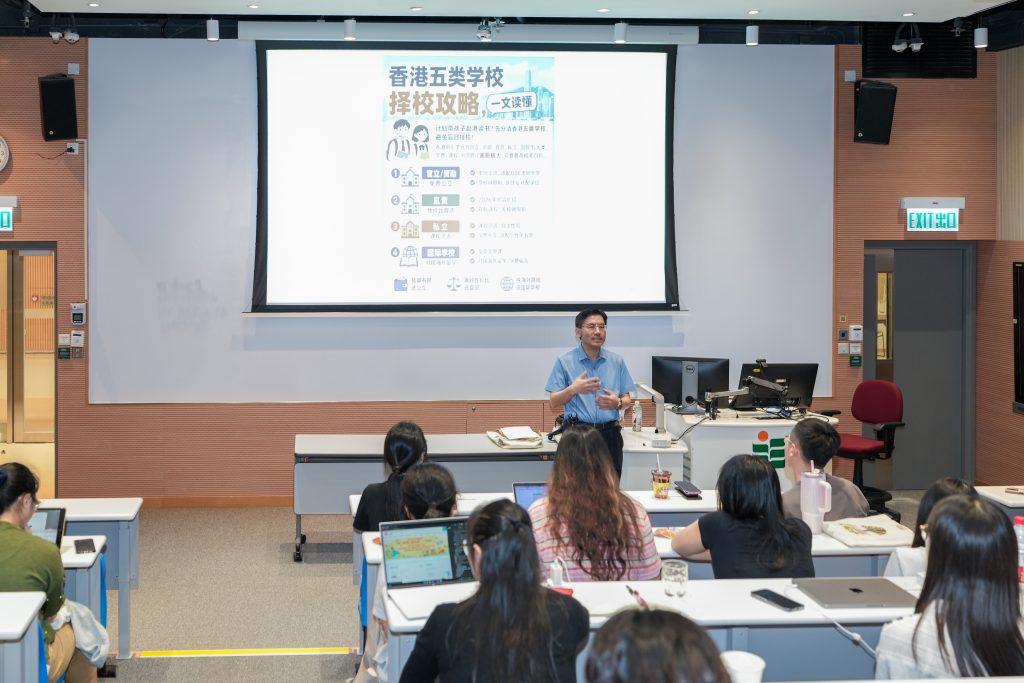
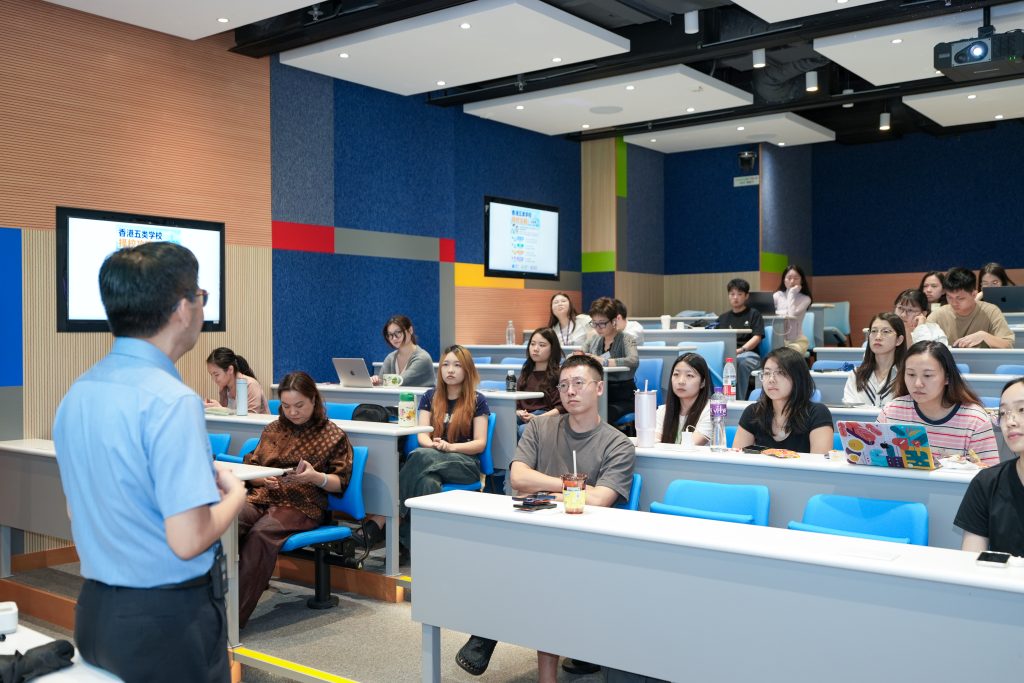
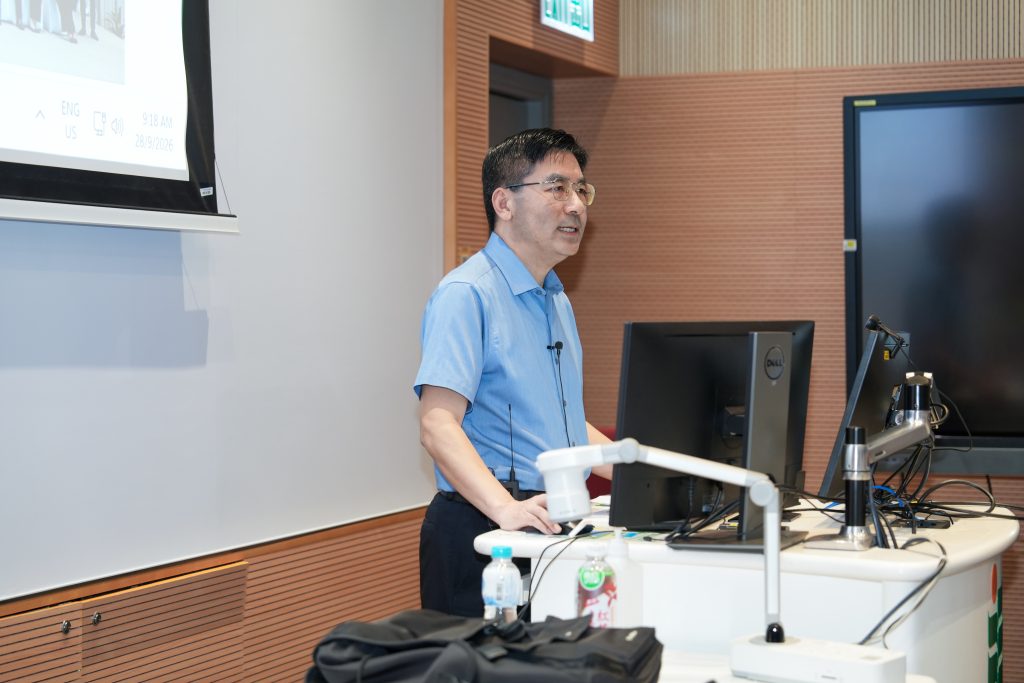
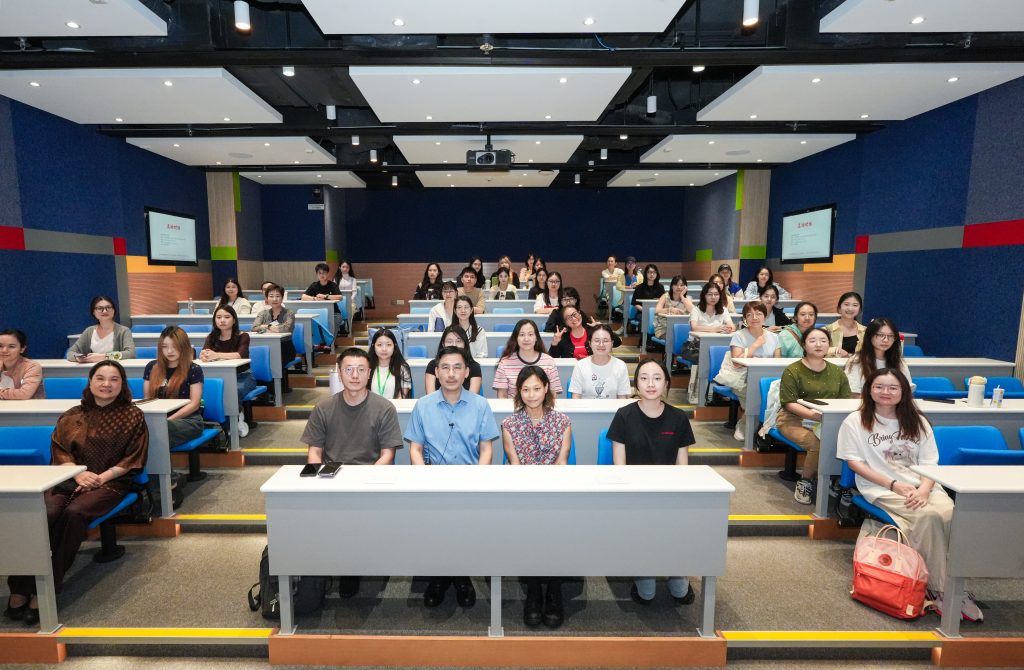
On September 28, Dr Wong Ching Yung, Principal of Scientia Secondary School of Hong Kong, was invited to deliver a career talk at The Education University of Hong Kong. More than 50 postgraduate students from Chinese Mainland attended the seminar. During the talk, Dr Wong discussed how students can prepare for employment during their study period, and develop a clearer career plan.
Dr Wong focused on three key areas: Hong Kong’s education system and policy support; academic qualifications and progression pathways in primary and secondary school; and the preparation and professional development required of teachers. In discussing the requirements for entering the teaching profession, he highlighted the importance of language proficiency. Cantonese is the primary language of instruction in most local schools. Those intending to teach English are required to achieve an overall band score of 7.5 or above with no individual band below 7.0 in the same test report form of the International Language Testing System (IELTS). Also, Putonghua teachers should attain Grade A, Level 2 or above in the Test of Proficiency in Putonghua conducted by the State Language Commission.
During the Q&A session, students asked whether their academic backgrounds would enable them to be teacher in Hong Kong. Dr Wong emphasised that academic qualification assessment is the foundation of any job application, and that applicants must first meet the relevant entry requirements. For those without formal teacher training, they need to complete the Postgraduate Diploma in Education (PGDE). He also explained Hong Kong primary and secondary schools (both aided schools and government schools) require teachers to pass the Basic Law and National Security Law Test.
Beyond these requirements, Dr Wong stressed the importance of integrity and compliance with recruitment procedures. The seminar enhanced students’ understanding of employment opportunities in Hong Kong and provided practical information for their future studies and career development.