
第一屆新文科國際會議 The 1st International Conference on New Liberal Arts (ICNLA-1) -Speakers
Conference Keynote & Roundtable Speakers |
||
|---|---|---|
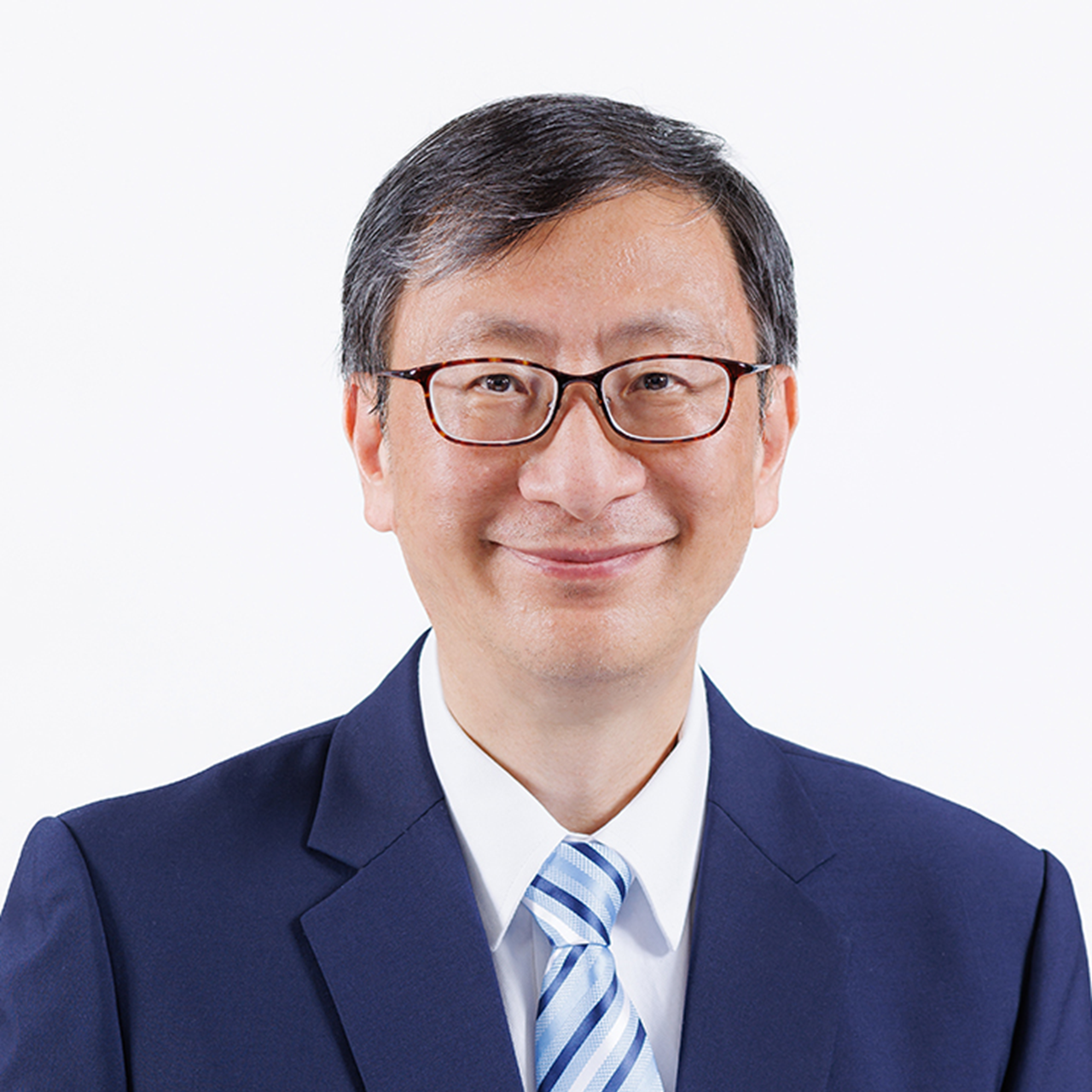 Professor John Lee Chi Kin President of EdUHK Professor of Curriculum and Instruction UNESCO Chair in Regional Education Development and Lifelong Learning |
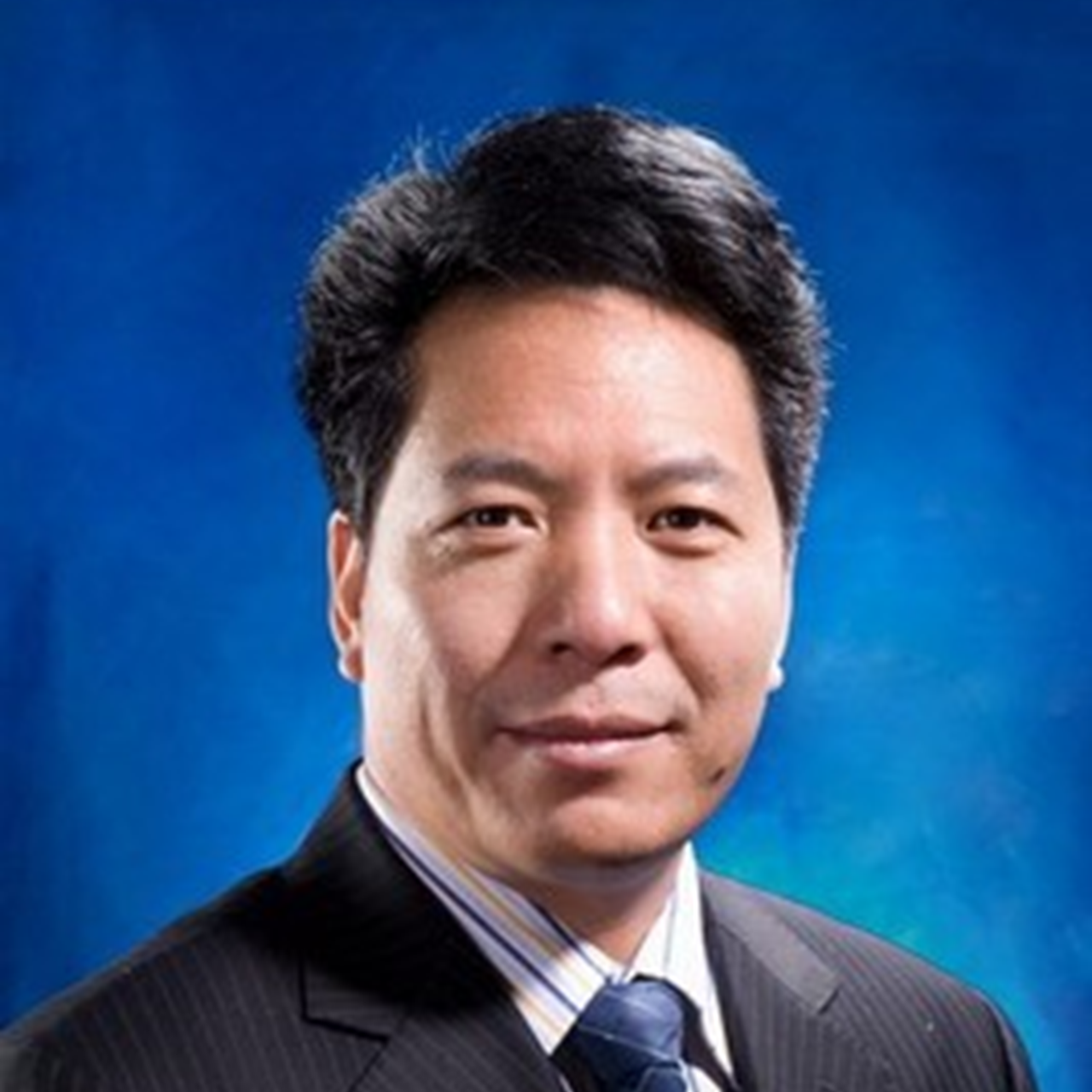 Professor Cao Xianqiang Vice President of Shandong University Executive Director of National Research Center for New Humanities and Social Sciences |
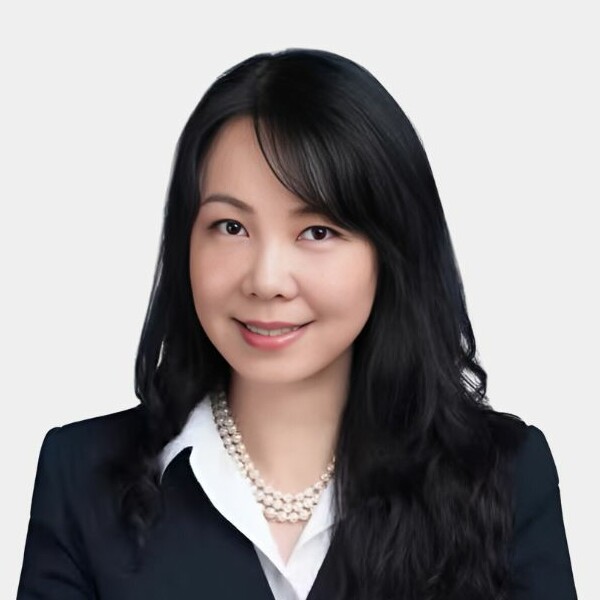 Ms Gai Huixia Helen Associate Vice President (Mainland Engagement and Development) EdUHK |
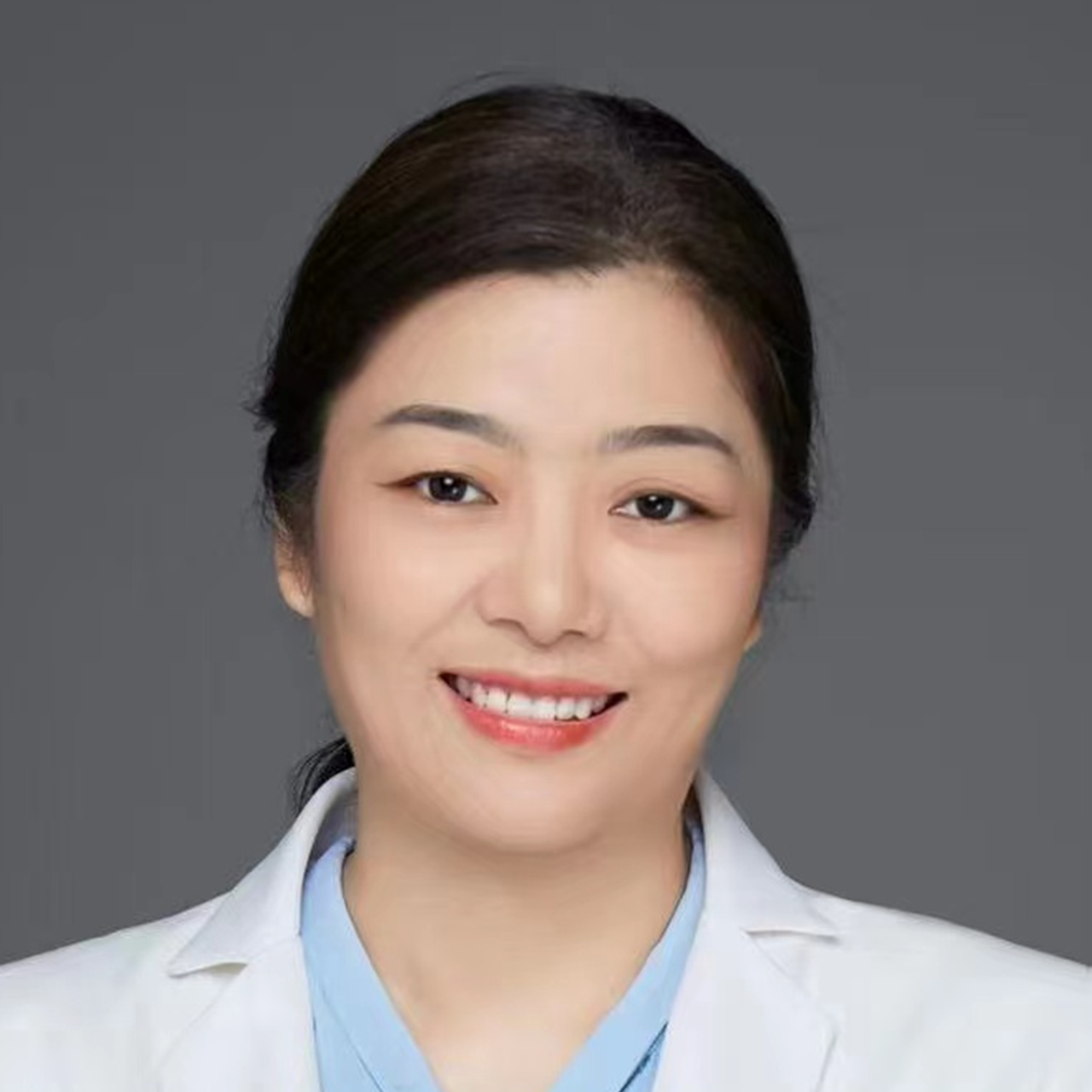 Professor Wang Fen Dean of Undergraduate School School of Archaeology Shandong University Conference Keynote: Digital Intelligence Empowerment – The Vitality of Cultural Heritage |
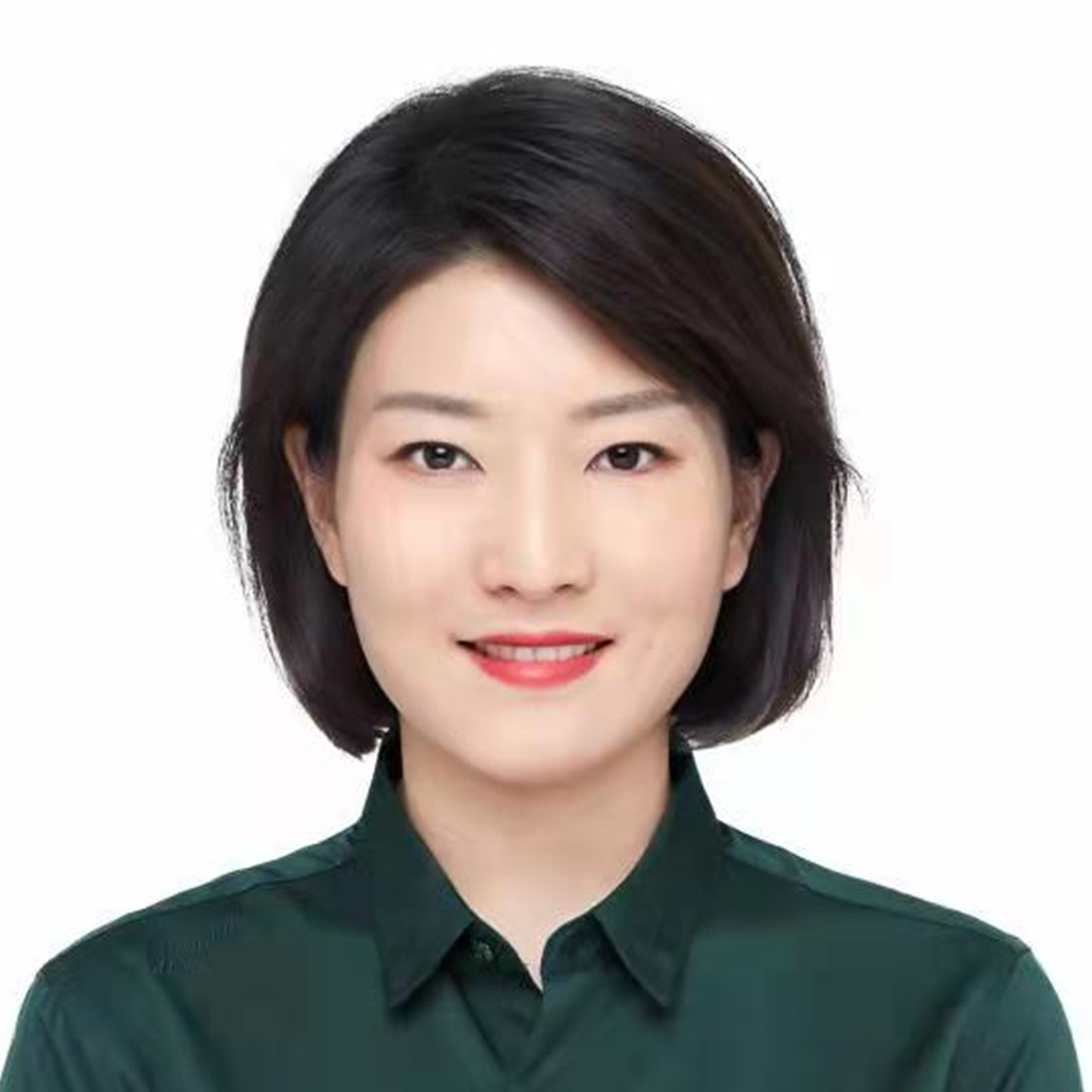 Professor Shen Shuxin Deputy Dean of Undergraduate School of Shandong University Office Director of National Research Center for New Humanities and Social Sciences |
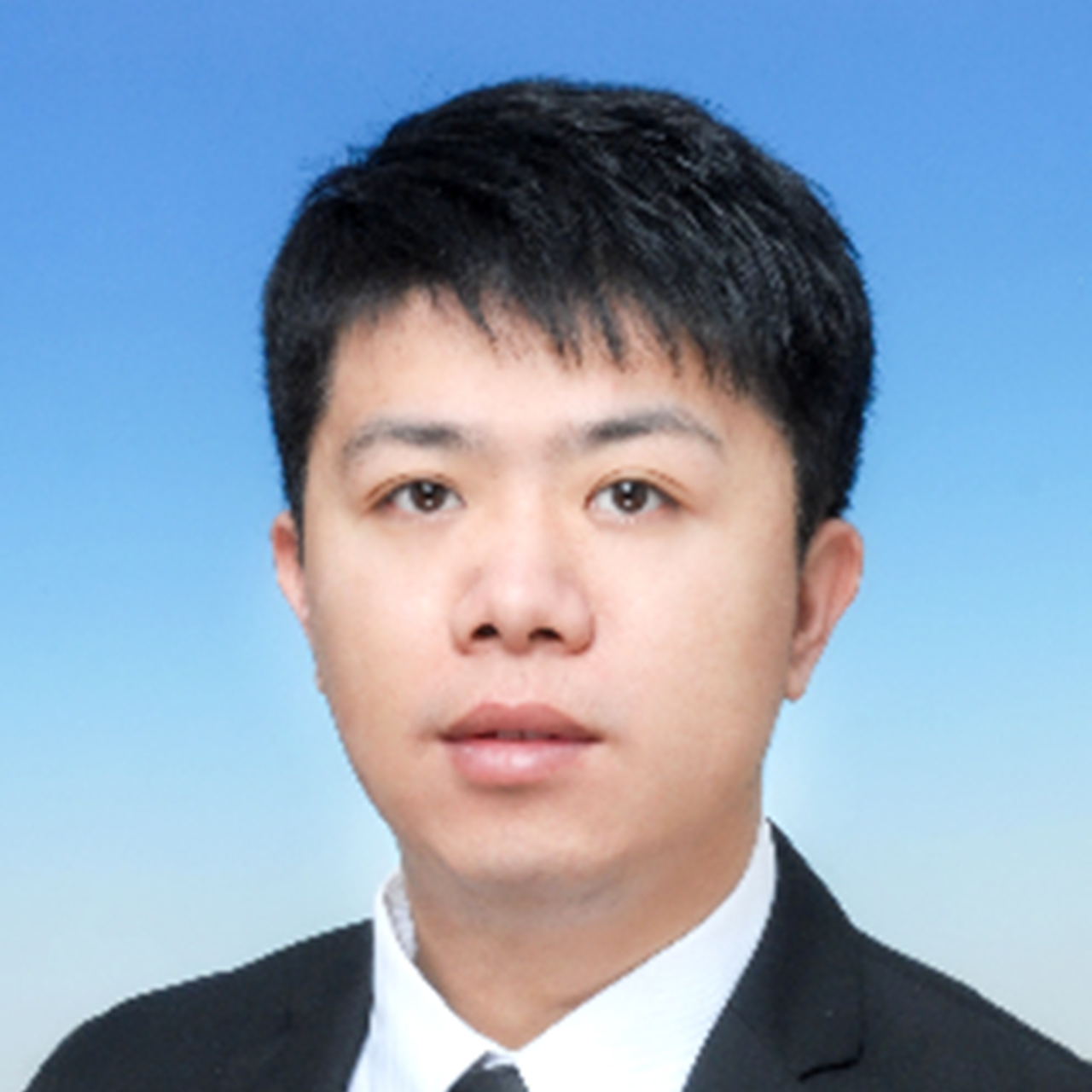 Professor Cong Runmin Professor of School of Control Science and Engineering Shandong University Conference Keynote: Linking Future by the Medium of AI: Constructing New Ecology of Inter-disciplinary AI Education |
Keynote and Panel Speakers
Strand 1: Innovation in Public Policy
Keynote Speaker
Professor Jing Yijia – Fudan University, China
Title: Building New Competence of Public Management Research via Multidisciplinary Studies
Abstract:
Building new competence of public management research via multidisciplinary studies Public management research conducts scientific research on the practical problems of public management and policy. Due to the complexity and diversity of public issues, the knowledge sources of public management research also show a multidisciplinary characteristic, ranging from initial discipline sources of political science and management science, to economics, law and philosophy. At present, with sustainable development, health and emerging technology governance becoming the core issues of public governance, knowledge sources of public management research are further expanded. How to maintain and innovate the core competence of public management research while absorbing a wider range of knowledge sources? This speech will address several major issues.
Speaker Bio:
Dr. Yijia Jing is a Chang Jiang Scholar, Seaker Chan Chair Professor in Public Management, Dean of the Institute for Global Public Policy, Co-Director of LSE-Fudan Research Centre for Global Public Policy, and Director of Fudan-Arab Research Centre for Global Development and Governance, Fudan University. He got his BA/MA in Economics from Peking University, MA in Sociology from University of Maryland College Park, and Ph.D. in Public Policy from the Ohio State University. He conducts research on privatization, governance, social organizations, and collaborative service delivery, and publishes on top journals like Public Administration Review, Journal of Policy Analysis and Management, and Governance. He is founding editor-in-chief of the journal Global Public Policy and Governance and a founding co-editor of the Palgrave book series, Governing China in the 21st Century. He is a co-editor of International Public Management Journal, and was an associate editor of Public Administration Review and editor-in-chief of Chinese journal Fudan Public Administration Review. He served as a vice president of International Research Society for Public Management and is the founding president of China-Arab Network of Schools of Public Policy and Administration (CANSPPA).
Panel Speakers 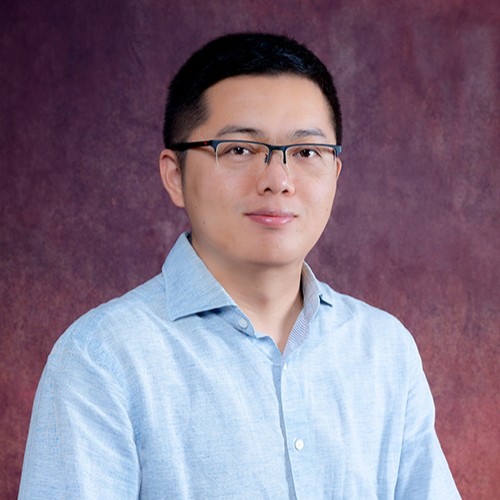 Moderated by Dr Xiao Hanyu |
|||
|---|---|---|---|
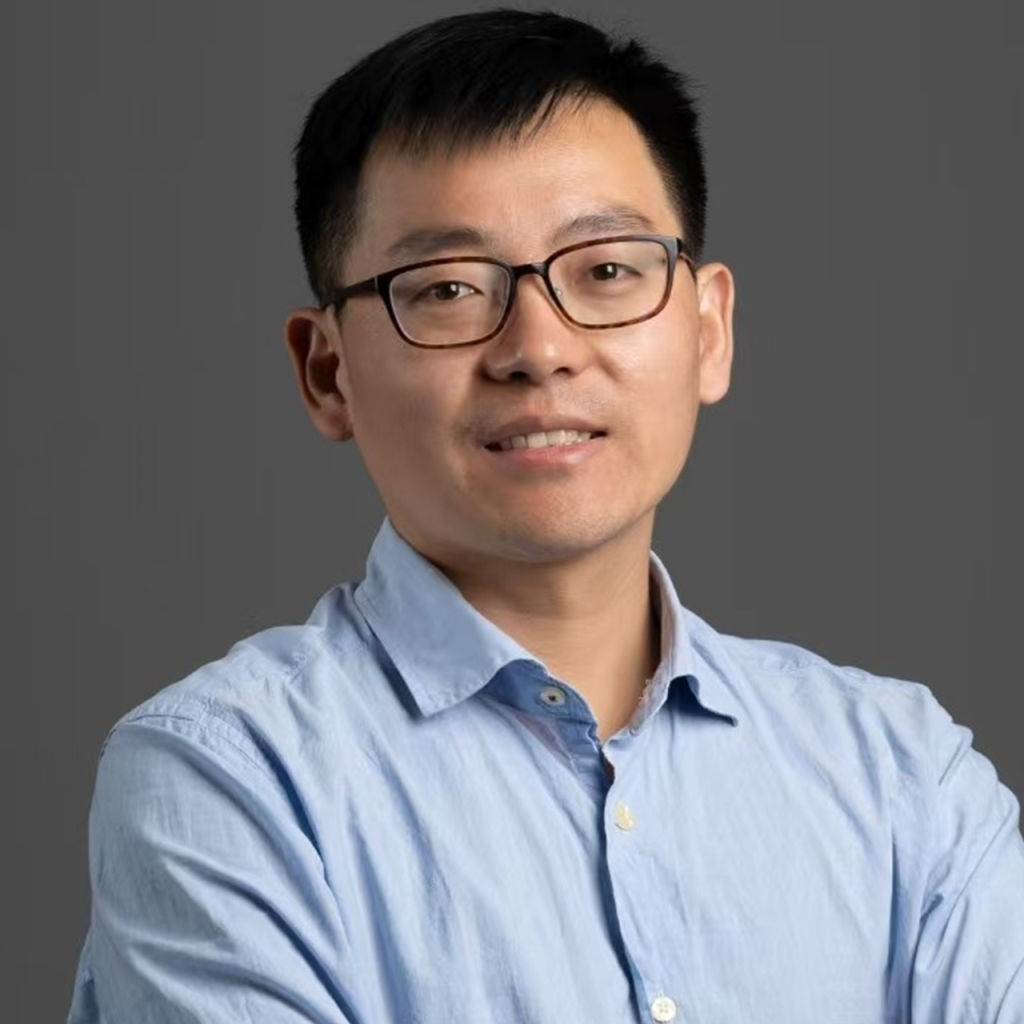 Professor Ma Liang Peking University Speech Title: The Rigor-Relevance Paradox in the MPA Thesis in Chinese China |
 Professor Liu Peng Renmin University of China Speech Title: Governing Online Platforms through Informal Subcontract: Unpacking the Relationship between State and Platform Companies in China |
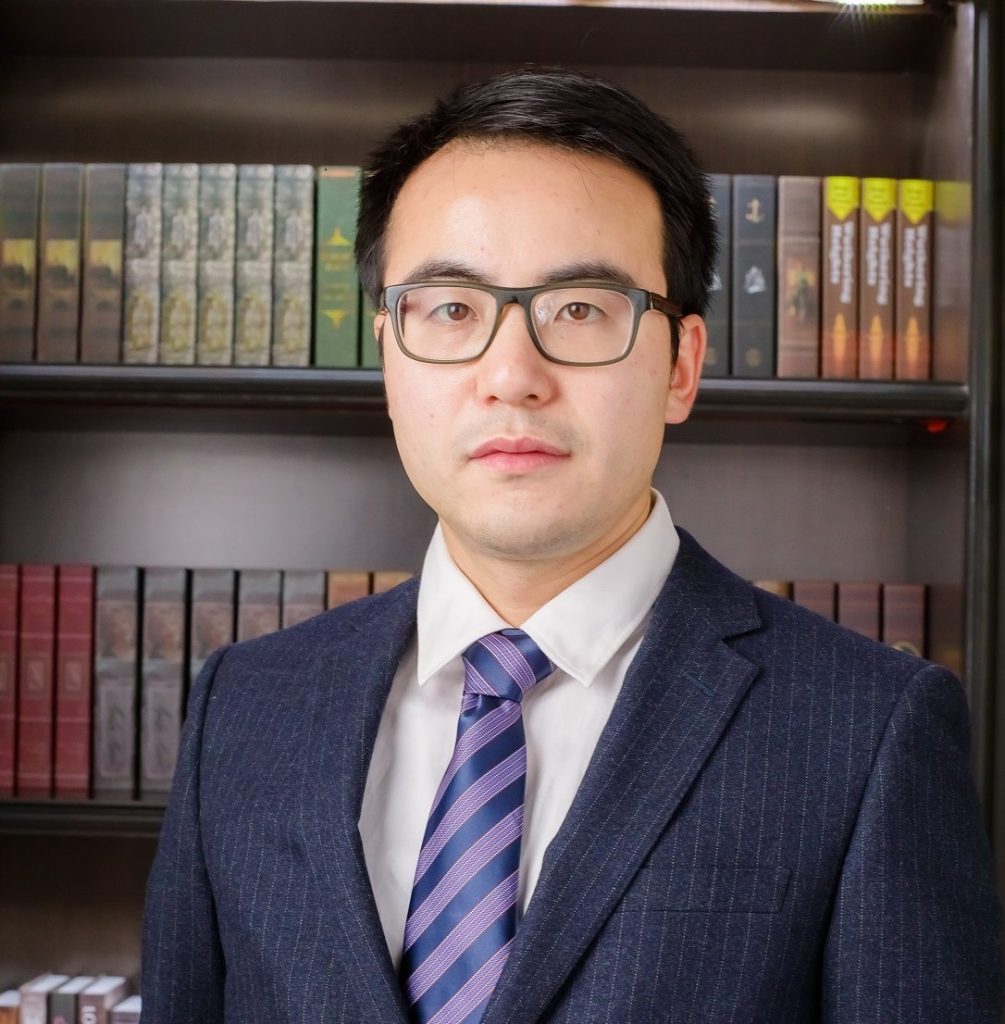 Professor Zeng Jinghan City University of Hong Kong Speech Title: ChatGPT as a Security Threat: U.S.–China Security Dilemma in the Generative AI Race |
 Professor Sun Zongfeng Shandong University Speech Title: Assessment-Driven Innovation in Public Sector: Inertia and Its Mechanisms – A Case Study of J City |
Strand 2: Harnessing the Power of GenAI to Boost Teaching and Learning Effects
Keynote Speaker
Professor Ming Fang He – Georgia Southern University, USA
Title: Paradigms, Perspectives, and Possibilities of Liberal Arts Education
Abstract:
Drawing upon William H. Schubert’s (e.g., 1986, 1996, 1997, 2009, 2018, 2022, 2024, & 2025) lifelong work on curriculum perspectives, paradigms, and possibilities and my own work on exile pedagogy (e.g., He, 2010), East meets West in curriculum studies (e.g., He, 2016), curriculum innovations (e.g., He, 2021), diaspora curriculum (e.g., He, 2022), Asian diaspora theories, methodologies, and practices (e.g., He, Sharma, & Yu, 2024, 2025), this keynote focuses on the perspectives, paradigms, and possibilities of liberal arts education through a wide array of intellectual traditions such as the intellectual traditionalist, the social behaviorist, the experientialist, the critical reconstructionist, the postmodernist and poststructuralist, digital humanities, and exile/diaspora imaginaries/futurities. Potentials, challenges, and future directions of liberal arts education will be explored.
Speaker Bio:
Ming Fang He is Professor of Curriculum Studies at Georgia Southern University. She has been teaching at the graduate, pre-service, and in-service levels in the United States, Canada, Hong Kong, and China. She explores education, curriculum, and life in-between the Eastern and Western philosophy with a focus on Confucius, John Dewey, Tsunesaburo Makiguchi, Daisaku Ikeda, Weiming Tu, Martha Nussbaum, and Edward Saïd. She has written about cross-cultural narrative inquiry of language, culture, and identity in multicultural contexts, cross-cultural teacher education, curriculum studies, activist practitioner inquiry, social justice research, exile curriculum, diaspora curriculum, narrative of curriculum in the U. S. South, and transnational and Asian diaspora studies. Her books include: A River Forever Flowing: Cross-Cultural Lives and Identities in the Multicultural Landscape (2003); Narrative and Experience in Multicultural Education (with Michael Connelly & JoAnn Phillion, 2005); Handbook of Curriculum and Instruction (with Michael Connelly & JoAnn Phillion, 2008); Personal~Passionate~Participatory Inquiry into Social Justice in Education (with JoAnn Phillion, 2008); Handbook of Asian Education [with Yong Zhao (Editor), Jing Lei, Goufang Li, Kaori Okano, Nagwa Megahed, David Gamage, & Hema Ramanathan (Co-Editors), 2011]; Sage Guide to Curriculum in Education (with Brian Schultz & William Schubert, 2015); and Oxford Encyclopedia of Curriculum Studies (Editors-in-Chief with William Schubert; with Associate Editors: Isabel Nuñez, Patrick Roberts, Sabrina Ross, & Brian D. Schultz). She co-edits two book series with Information Age Publishing: Research for Social Justice: Personal~Passionate~Participatory Inquiry (with JoAnn Phillion) and Landscapes of Education (with William Schubert). She guest edited an issue of Critical Inquiry into Curriculum and Instruction on Experiential Approaches in Curriculum Studies: Personal, Passionate, and Participatory Inquiries (with JoAnn Phillion, 2001); a special issue of Journal of Curriculum Theorizing on Narrative of Curriculum in the U. S. South: Lives In-Between Contested Race, Gender, Class, and Power (with Sabrina Ross, 2013); a special issue of The Sophist’s Bane: A Journal of the Society of Professors of Education on Minority Women Professors Venturing on the Landscapes of Education (with Sabrina Ross, 2015); and Part I and Part II of a special issue of The Journal of Diaspora, Indigenous, and Minority Education: Studies of Migration, Integration, Equity, and Cultural Survival (DIME): Asian diaspora theorizing: Defying racism~re-imagining alternate nows~invigorating otherwise futures (with Suniti Sharma and Min Yu, 2024 & 2025). She was an Editor of Curriculum Inquiry (2003-2005). She is Co-Editor-in-Chief of Educational Studies (2020-2025; 2025-2030), a Leading Associate Editor of Multicultural Perspectives (2003-2024), and a member of International Editorial Board of Curriculum Inquiry (since 2015). She was the Vice President of the AERA Division B (2014-2017). Her current research is expanded to the education of ethnic minorities and disenfranchised individuals, groups, tribes, and societies, particularly Asian diasporas, in the United States, Canada, Hong Kong, Chinese Mainland, and other international contexts.
Panel Speakers  Moderated by Dr Yang Lan |
|||
|---|---|---|---|
 Dr Fan Yizhou Peking University Speech Title: Learning with GenAI to solve real-world and high-challenge tasks |
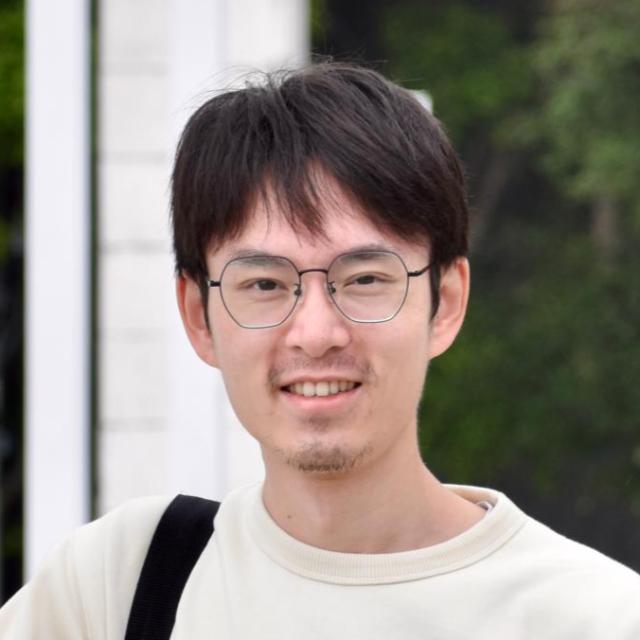 Dr Lan Min Zhejiang Normal University Speech Title: Preparation of Future Teachers in the Era of Artificial Intelligence |
 Dr Ba Shen EdUHK Speech Title: Transforming Collaborative Inquiry: Opportunities and Challenges of Generative AI-Assisted Feedback |
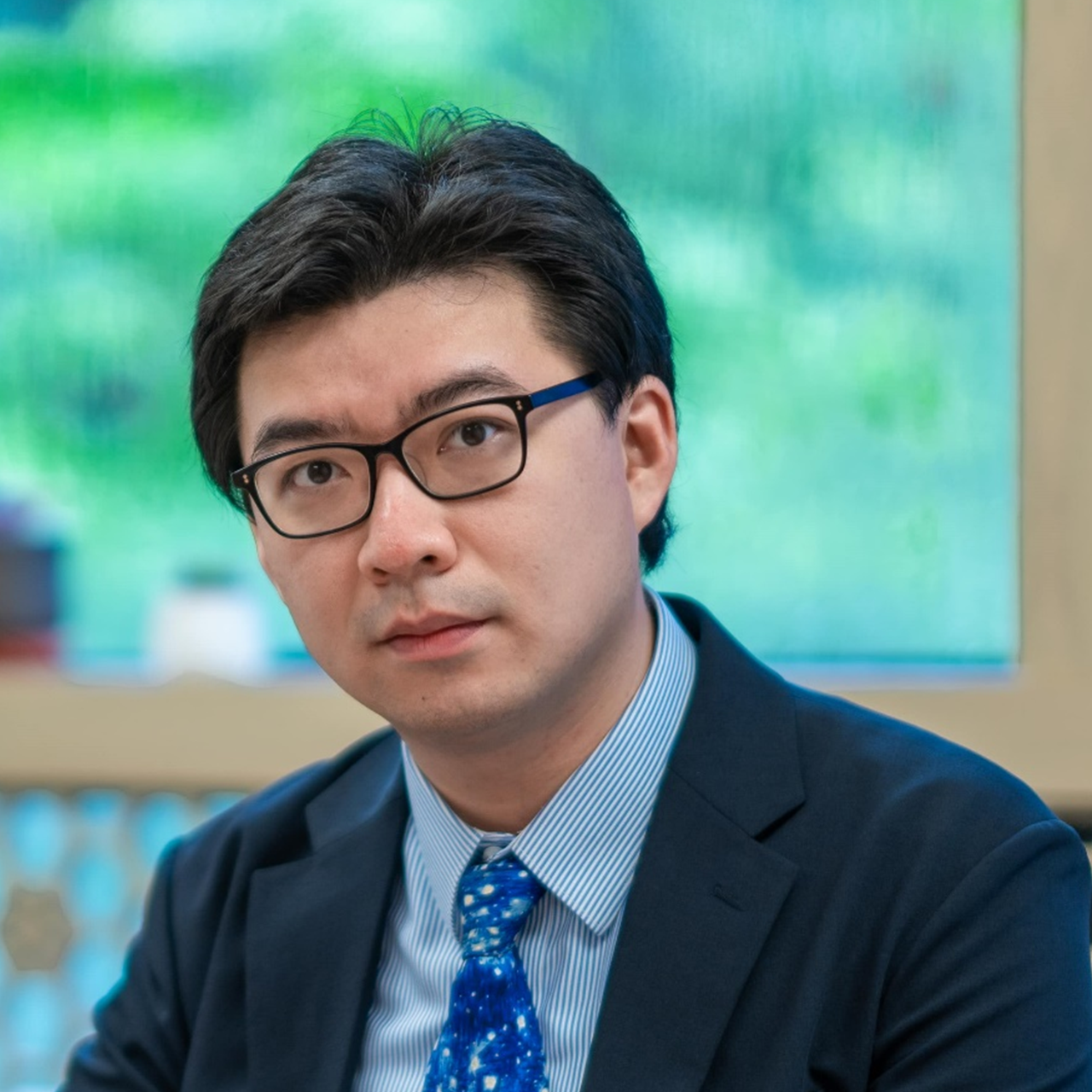 Professor Tsui Lik Hang City University of Hong Kong Speech Title: Discerning Learners, Human Intelligence, Artificial Tools: Learning History with Hybrid Resources in the Age of Generative AI |
Strand 3: Trans-literacies in Learning and Communication
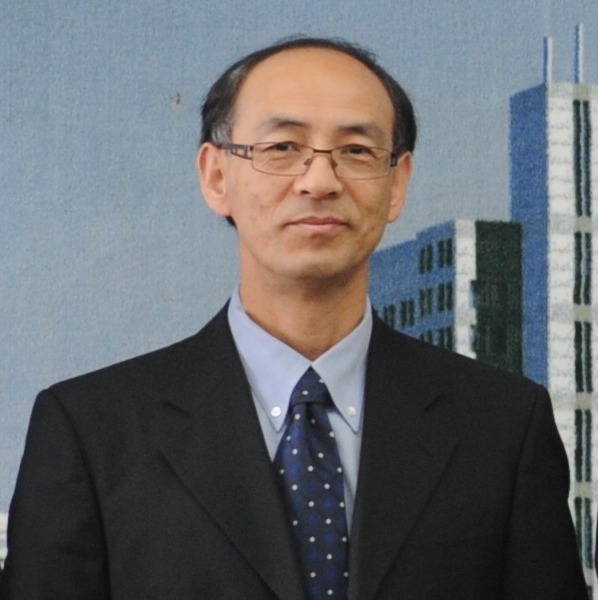
Keynote Speaker
Professor Lawrence Zhang – University of Auckland, New Zealand
Title: Navigating Ethical Frontiers: AI Integration in L2 Writing Education
Abstract:
In this plenary, I address the urgent and evolving ethical considerations surrounding the use of artificial intelligence (AI) in second language (L2) writing instruction—a shift that is rapidly reshaping the landscape of language education. As AI tools become more deeply embedded in writing pedagogy, questions of fairness, agency, and contextually appropriate use demand critical attention. My aim is to foreground these concerns through empirical insights from two recent studies conducted by my research team. The first study involved the development and validation of a scale designed to measure English language teachers’ ethical anxiety about AI use in L2 writing. Surveying 309 college instructors across China, we adopted Exploratory Structural Equation Modelling (ESEM) and multidimensional Rasch model to identify key dimensions of ethical tension, including intellectual agency, critical evaluation, equitable access, cultural and contextual awareness, and authentic assessment. These findings highlight how teachers are negotiating the ethical stakes of AI in their day-to-day practice. In the second study, we adopted Q methodology to explore how 20 pre-service teachers constructed local understandings of AI ethics in L2 writing through an ecological lens. By sorting and reflecting on 36 ethically charged statements, participants revealed diverse and sometimes conflicting perspectives on the promises and risks of AI-mediated instruction. Their viewpoints underscore the need for nuanced, context-sensitive approaches to ethical decision-making in classrooms. Taken together, these studies illuminate how both experienced and future educators are grappling with the ethical terrain of AI in language teaching and learning. It can be argued that these findings have critical implications for teacher education, policymaking, and the responsible, human-centred integration of AI in L2 writing. Through this talk, I hope to encourage more grounded, inclusive, and reflective conversations about the future of AI in language education.
Speaker Bio:
Lawrence Jun Zhang, PhD, is Professor of Applied Linguistics/TESOL and Associate Dean of the Faculty of Arts and Education, University of Auckland, New Zealand. His major interests are in learner metacognition, the psychology of language learning and teaching, and teacher education, with particular reference to EFL reading/writing and ESP/EAP. His recent publications examine how the emergence of AI impacts language education. His work has appeared in leading international journals, including Applied Linguistics (Oxford University Press), Modern Language Journal (Wiley), Computer Assisted Language Learning (Routledge), Applied Linguistics Review (De Gruyter), Studies in Second language Acquisition (Cambridge University Press), Assessing Writing (Elsevier), TESOL Quarterly (Wiley), System (Elsevier), British Journal of Educational Psychology (Wiley), Computers and Education (Elsevier), Computers in Human Behavior (Elsevier), Discourse Processes (Routledge), Language Teaching Research (Sage), Journal of Second Language Writing (Elsevier), Journal of Multilingual and Multicultural Development (Routledge), Learning and Instruction (Elsevier), Learning and Individual Differences (Elsevier), Reading & Writing (Springer Nature), Reading & Writing Quarterly (Routledge), Metacognition & Learning (Springer Nature), International Journal of Bilingualism (Sage), and International Journal of Bilingual Education and Bilingualism (Routledge), Journal of Psycholinguistic Research (Springer-Nature), English for Academic Purposes (Elsevier), Language Culture and Curriculum (Routledge), RELC Journal (Sage), and Frontiers in Psychology (Frontiers Media). His co-edited and co-authored books include Asian Englishes: Changing Perspectives in a Globalized World (2012, Pearson-Education), Language Teachers and Teaching: Global Perspective, Local Initiatives (2014, Routledge), Crossing Borders, Writing Texts, Being Evaluated: Cultural and Interdisciplinary Norms in Academic Writing (2021, Multilingual Matters), Teaching Writing in English as a Foreign Language: Teachers’ Cognition Formation and Reformation (2022, Springer-Nature), and Think-Aloud Protocols in Second Language Writing: A Mixed Methods Study of Their Reactivity and Veridicality (2023, Springer-Nature). He was the sole recipient of the “Distinguished Research in TESOL Award” in 2011 for his article, “A dynamic metacognitive systems perspective on Chinese university EFL readers”, published in TESOL Quarterly, 44(2). A former Co-Editor of Brief Research Reports of TESOL Quarterly and Co-Editor-in-Chief of System, he also serves on the editorial boards of Applied Linguistics Review (De Gruyter), Journal of Second Language Writing (Elsevier), Metacognition & Learning (Springer), RELC Journal (Sage), Chinese Journal of Applied Linguistics (De Gruyter), Australian Review of Applied Linguistics (Benjamins), Iranian Journal of Language Teaching Research (Urmia), Journal of Second Language Studies (Benjamins), and Language Teaching for Young Learners (Benjamins). In 2016 he was honoured with the recognition by the TESOL International Association (USA) with the award of “50@50”, which acknowledged “50 Outstanding Leaders” around the globe in the profession of TESOL at TESOL’s 50th anniversary celebration in Baltimore, Maryland. In November 2016, he was successfully elected to the International TESOL Association’s Board of Directors. In the Stanford University Rankings, he has been consecutively listed in the top 2% of Scientists in the World in the disciplinary areas of Linguistics/Applied Linguistics
Panel Speakers Symposium: Navigating Social Media’s Impact across Generations and Contexts 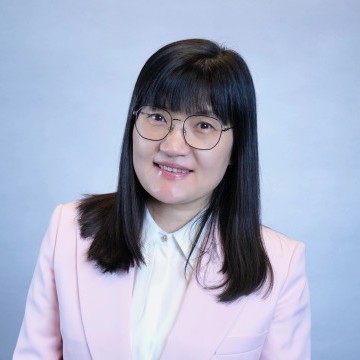 Moderated by Professor GU Ming Yue Michelle |
|||
|---|---|---|---|
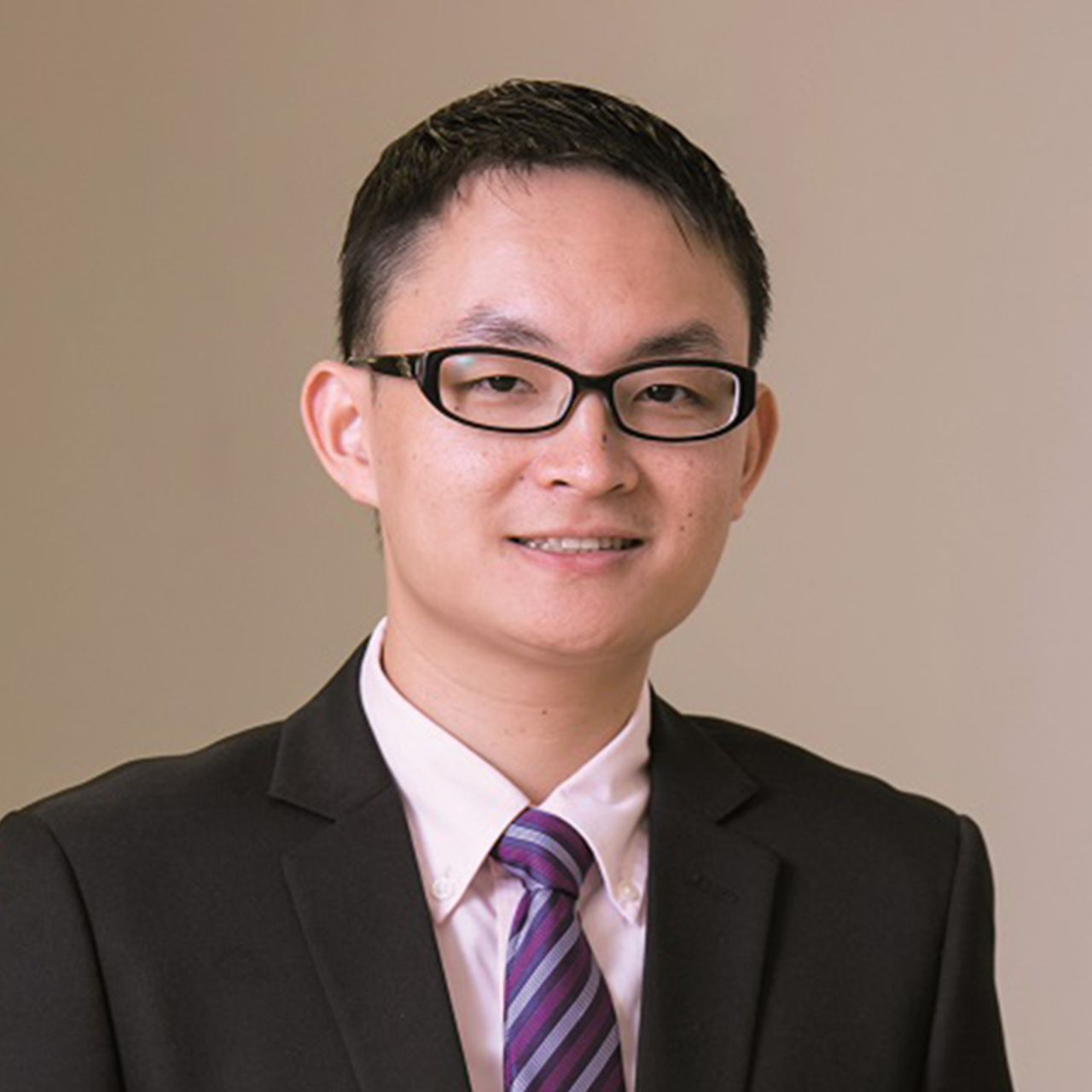 Professor Kelvin Chan EdUHK |
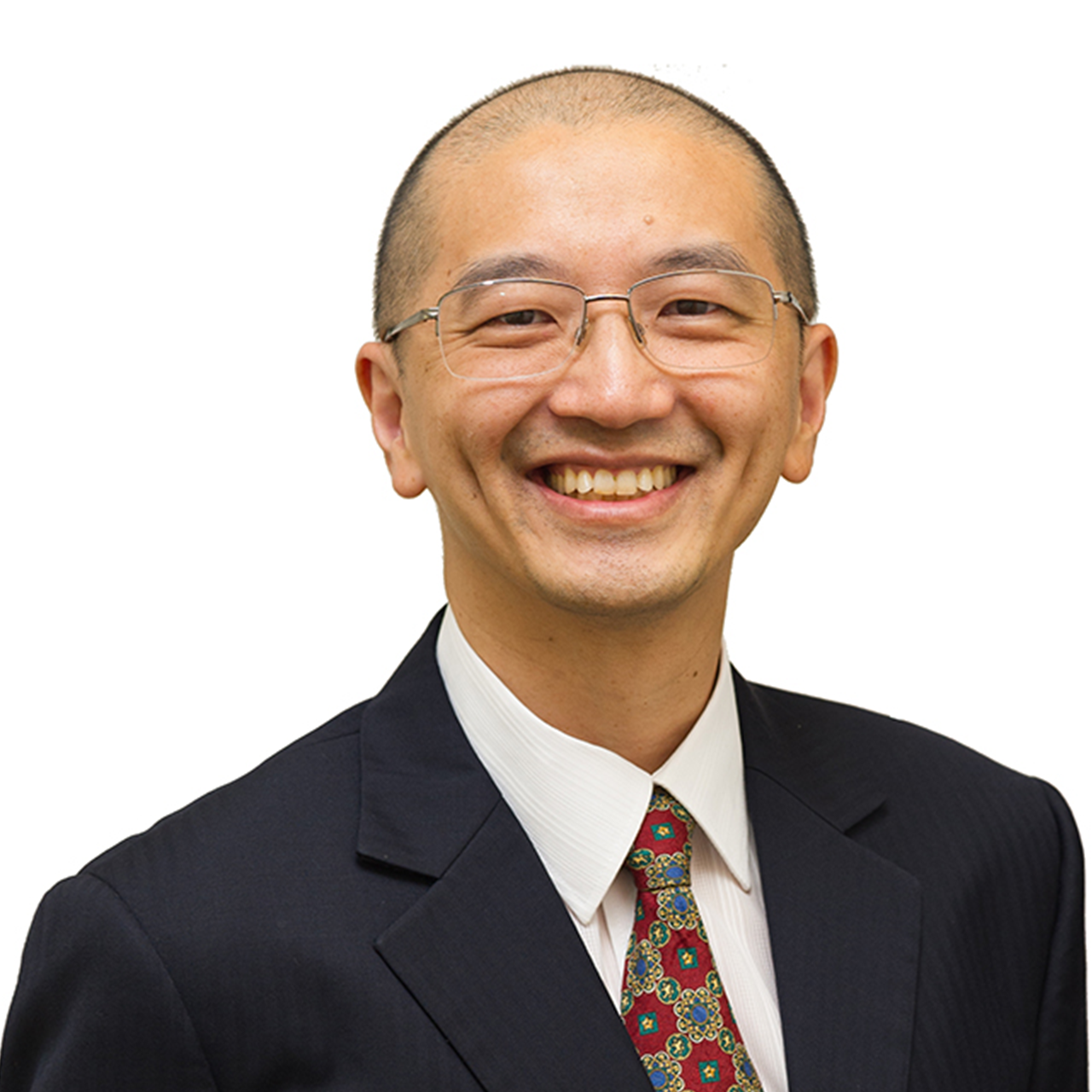 Professor Chiu Ming Ming |
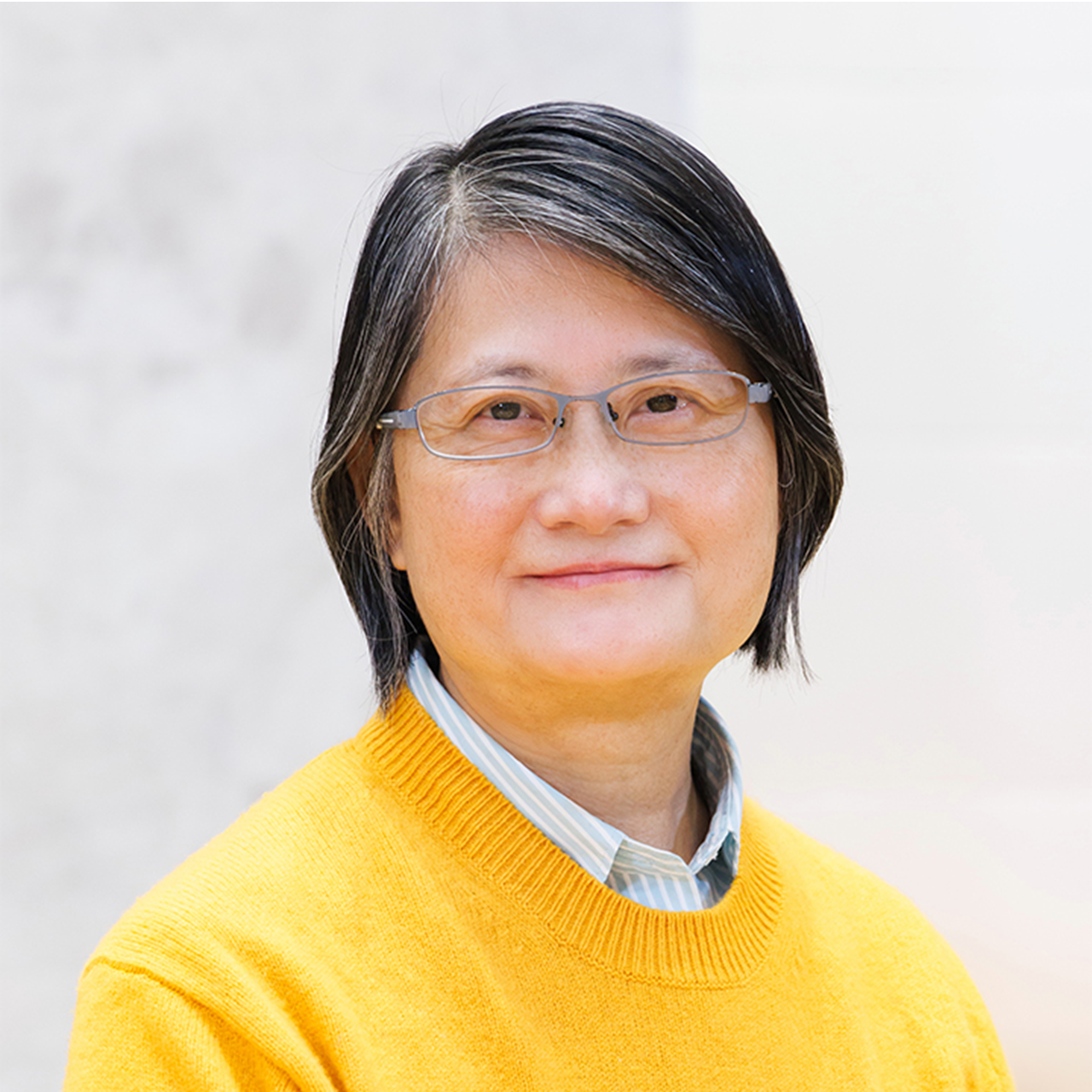 Professor Angel Lin EdUHK |
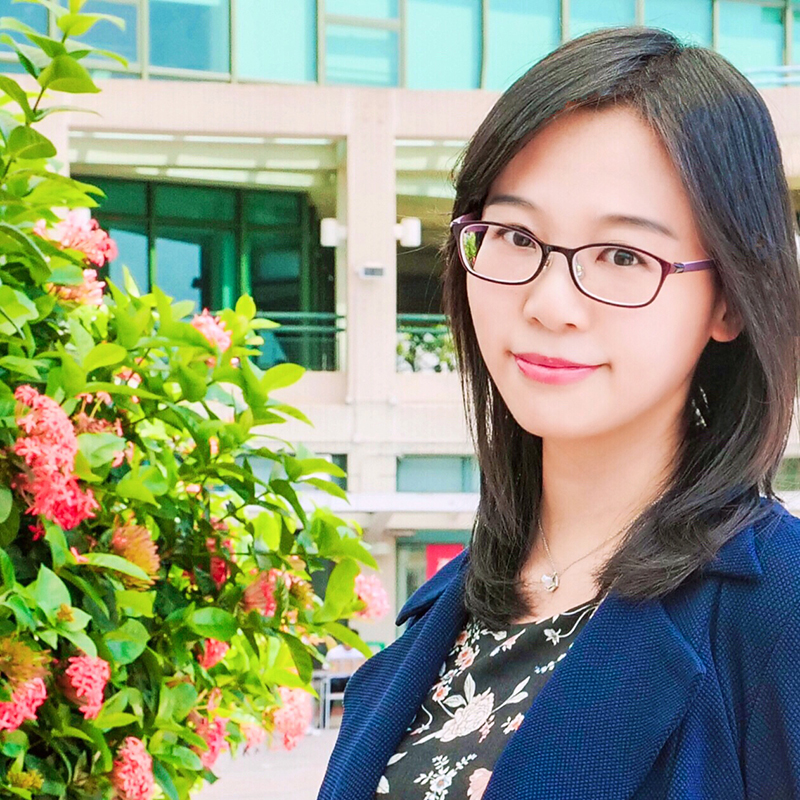 Dr Angel Leung EdUHK |
Strand 4: Digital Rebirth of Cultural Heritage
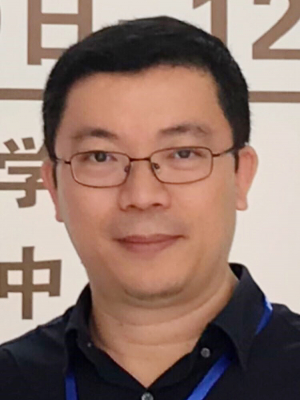
Keynote Speaker
Professor Lin Huayong – Sun Yat-sen University, China
Title: 面向比較的方言數據標註
Abstract:
報告擬對「清末民國漢語五大方言比較語料庫」的建設及其標注進行較為詳細的介紹。
面向比較的早期方言口语文獻資料庫不多見。為了便於對清末民國的粵、閩、客、吳及官話方言進行比較,中山大學語言學團隊正在建設以上五大方言比較型的資料庫,希望為學界提供檢索清末民國(1840-1949)的方言語料提供方便。
首先,早期方言文獻比較資料庫擬由98種基礎文獻中,挑選出50種五大方言的口語文獻進行標注。每方言區有10種文獻作為代表。我們將這些方言口語文獻分為三期:發展期(19世紀40-60年代)、繁榮期(19世紀70-20世紀10年代)和成熟期(20世紀20-40年代)。在此基礎上,以口語性為第一原則,考慮地域性和可比較性,篩選出可用來進行比較研究的基礎文獻。
其次,對50種核心文獻進行標注。由於比較研究標注涵蓋語音、用字、詞彙、語法等四個範疇,因而不同以往的標注。初步共計95個標籤。例如:
語音、用字類包括:合音、變音、重疊、異體、方言詞等;
詞彙語義類包括:職務、教育、貿易、宗教、交通、軍事、飲食、醫療;時間、顏色、數詞、言說、姿勢、否定、存在、手部動作、性狀、情態、頻率、判斷;曾用詞、外來詞、核心詞;辭彙化等;
語法語用類包括:持續體、經歷體、小稱、小量、人稱、話題、被動|介詞、比較、比較句、雙賓句、補語標記;量名結構、述補結構;句末助詞、句末助詞連用;的1、的2、的3;了1、了2等;
詞語使用:熟語、敬辭、詈語、吉利話等;
其他。
利用這些標注,可以開展五大方言的縱向比較研究,探究一百多年漢語方言的基本面貌和形成、演變的過程,進而深入探討語言演變的普遍規律和漢語演變的類型特點。
Speaker Bio:
林華勇,男,中山大學中文系教授,博士畢業於中山大學。主要研究方向為方言學、語法學,對語法描寫、語法化、語言接觸感興趣。國家社科基金重大項目“清末民國漢語五大方言比較研究及資料庫建設”首席專家,《漢語語言學》集刊主編,中大本《現代漢語》副主編,《中國語文通訊》《粵語研究》編委,廣東省中國語言學會副會長,中國語言學會理事,曾獲呂叔湘語言學獎二等獎(2018年),入選國家級青年人才計畫(2022年),在《中國語文》《語言暨語言學》《中國語言學報》等期刊發表論文70餘篇。已出版《廉江粵語語法研究》(北大出版社2014)、《方言語法研究的語法化視角》(科學出版社2023)兩部著作。
Panel Speakers 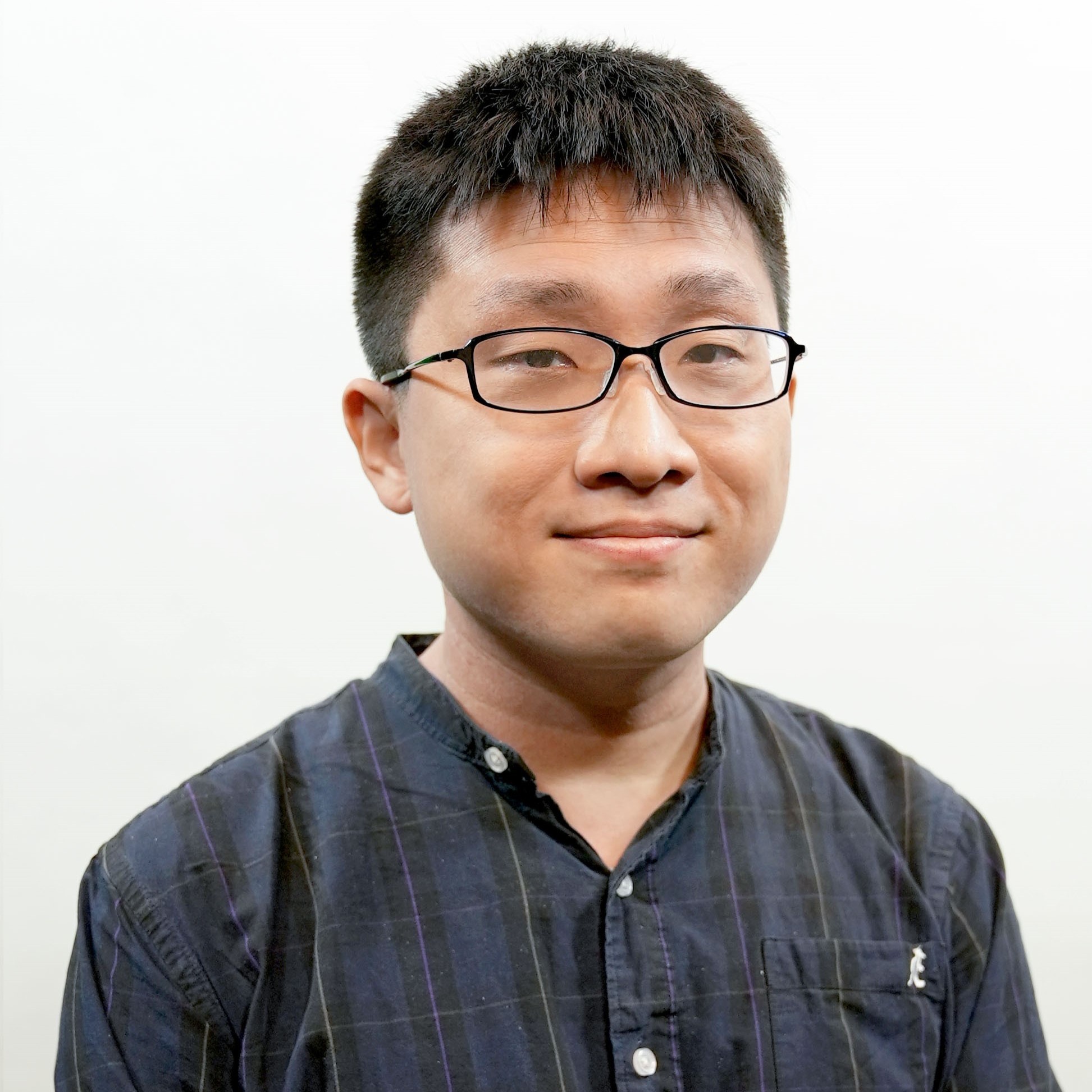 Moderated by Dr Lau Chaak Ming |
|||
|---|---|---|---|
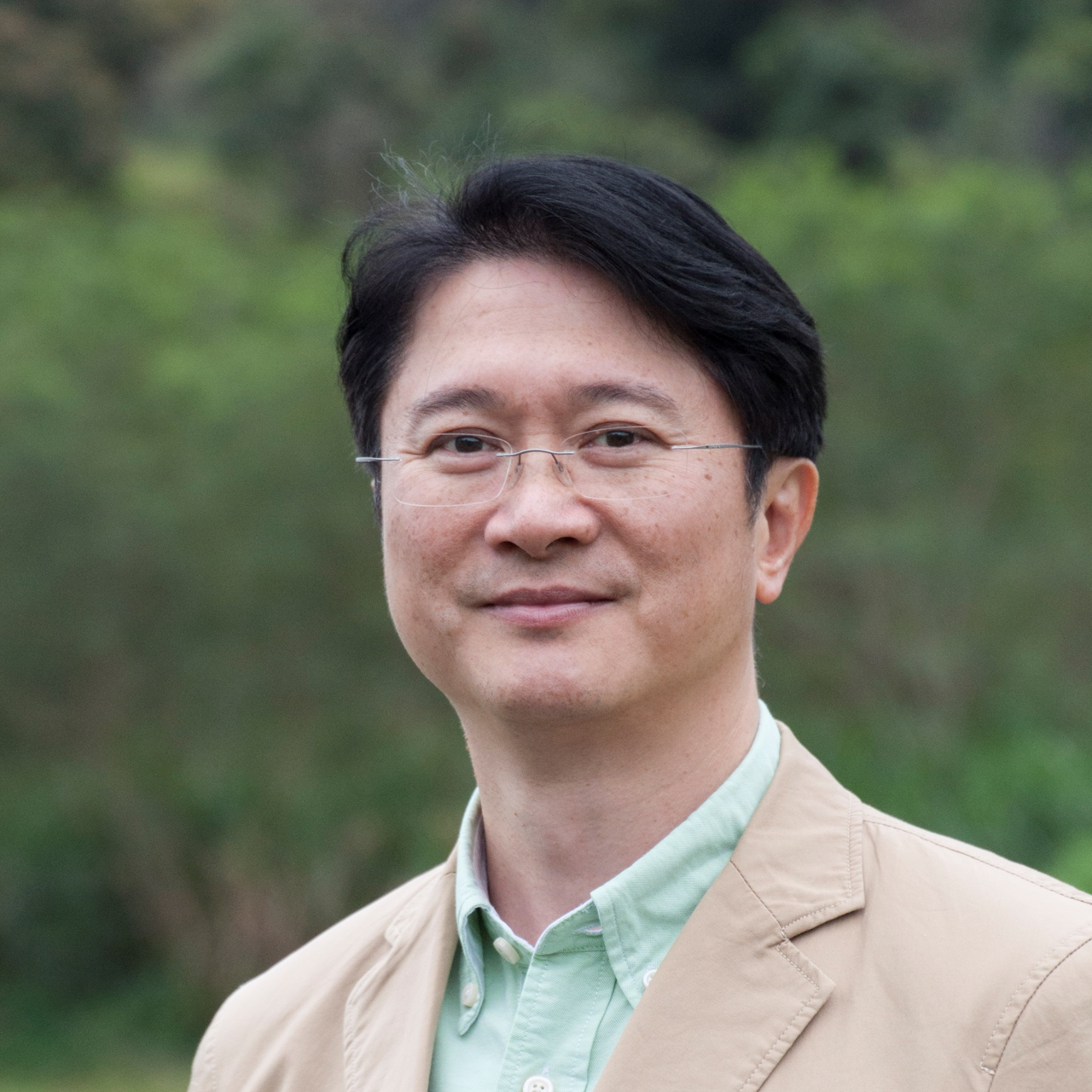 Dr Stephen Cheung Association for Conservation of Hong Kong Indigenous Languages Speech Title: Database of Hong Kong Local Traditional Folksongs |
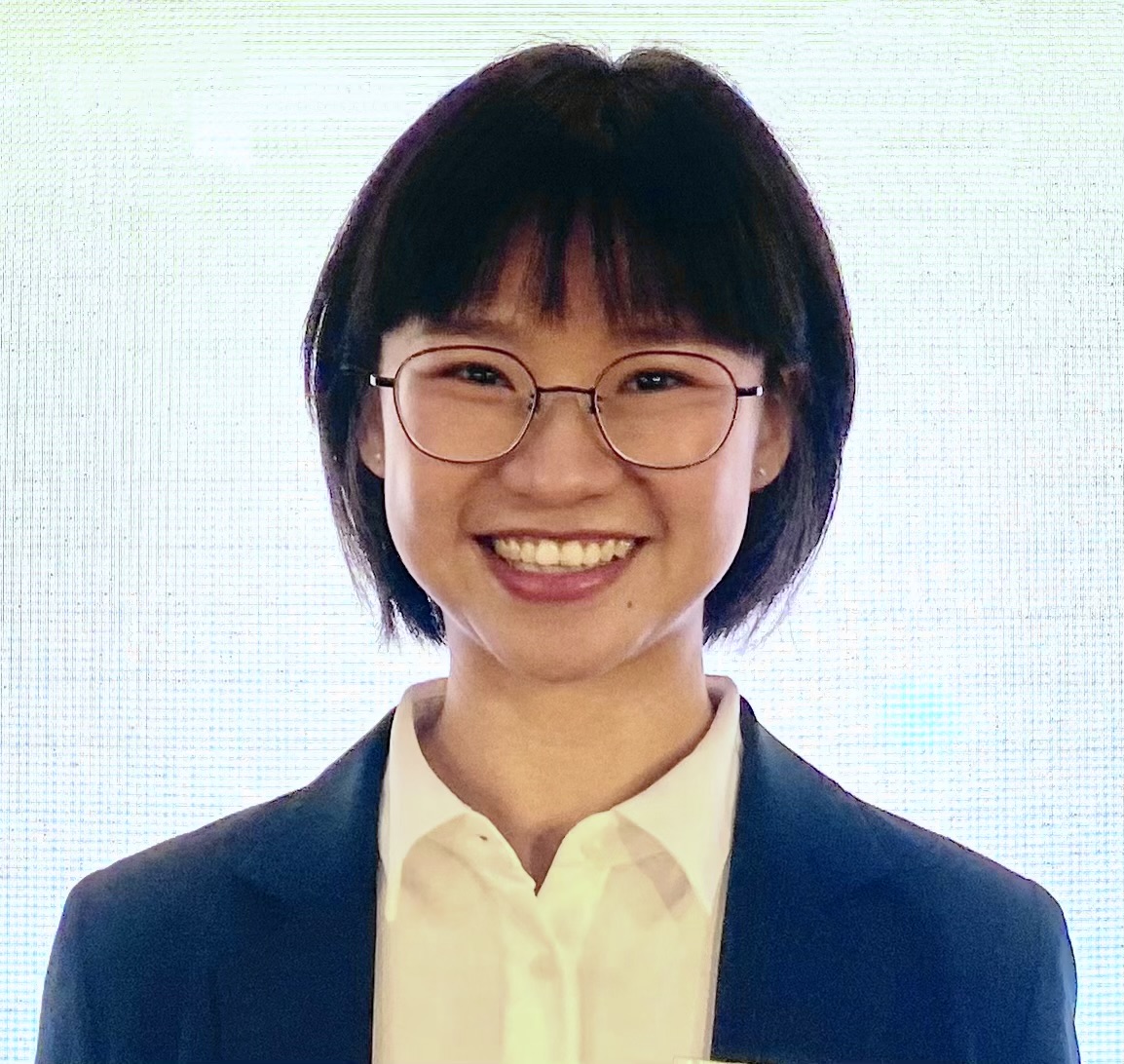 Dr Liu Yanting EdUHK Speech Title: 東莞粵語「才」義副詞的多樣性及分布——兼論數碼技術對方言研究與傳承的啓示 |
 Dr Guo Qiuzi EdUHK Speech Title: What Is Digital Art History? Rethinking Cultural Heritage in the Age of Immersion |
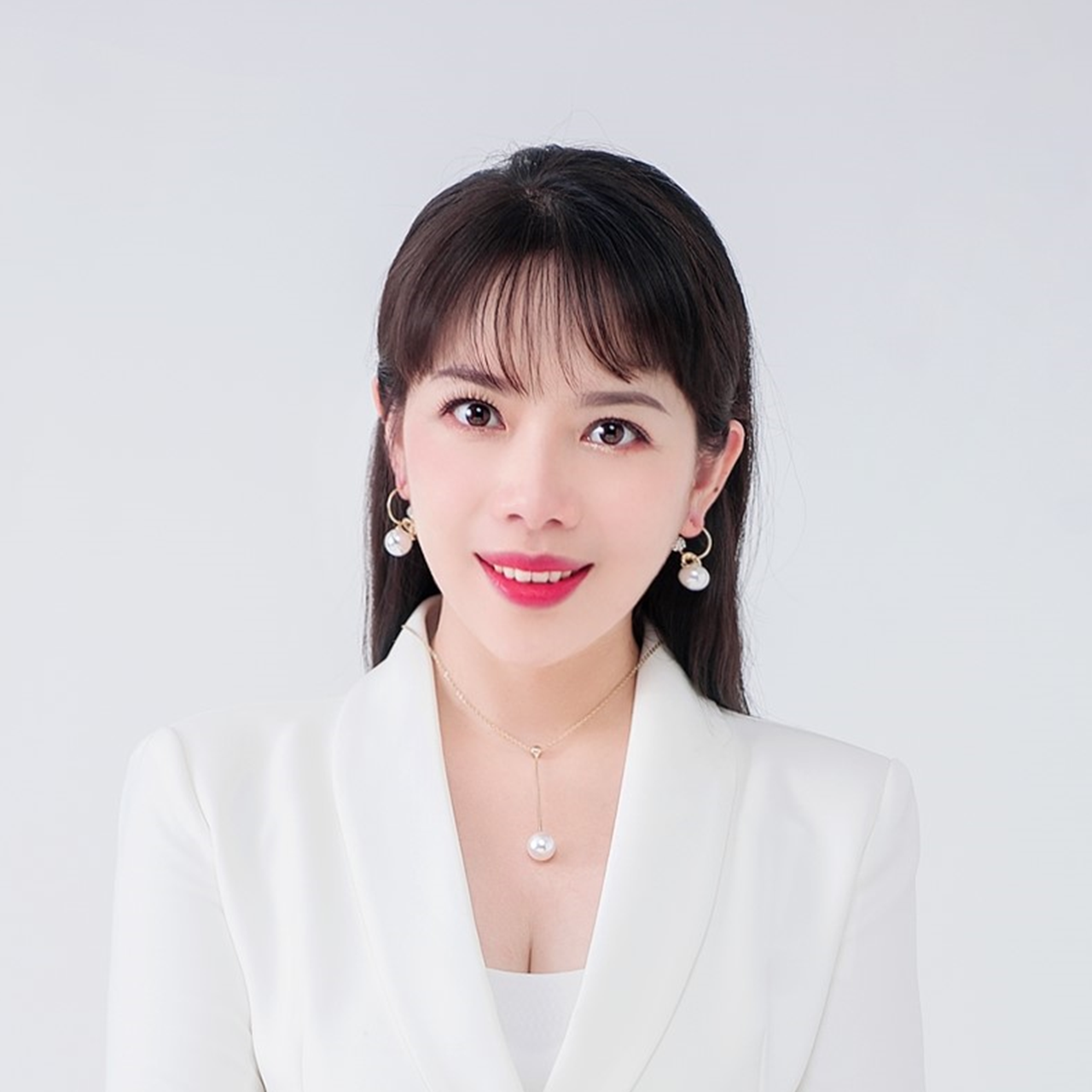 Ms. Ouyang Yingzi Department of Music, Sejong University, South Korea/Huaihua University Speech Title: 侗族非遺音樂的數智再生研究 |