Developing Multilingual Selves: Experiences of Multiple Language Learners in English Language-dominant Higher Education
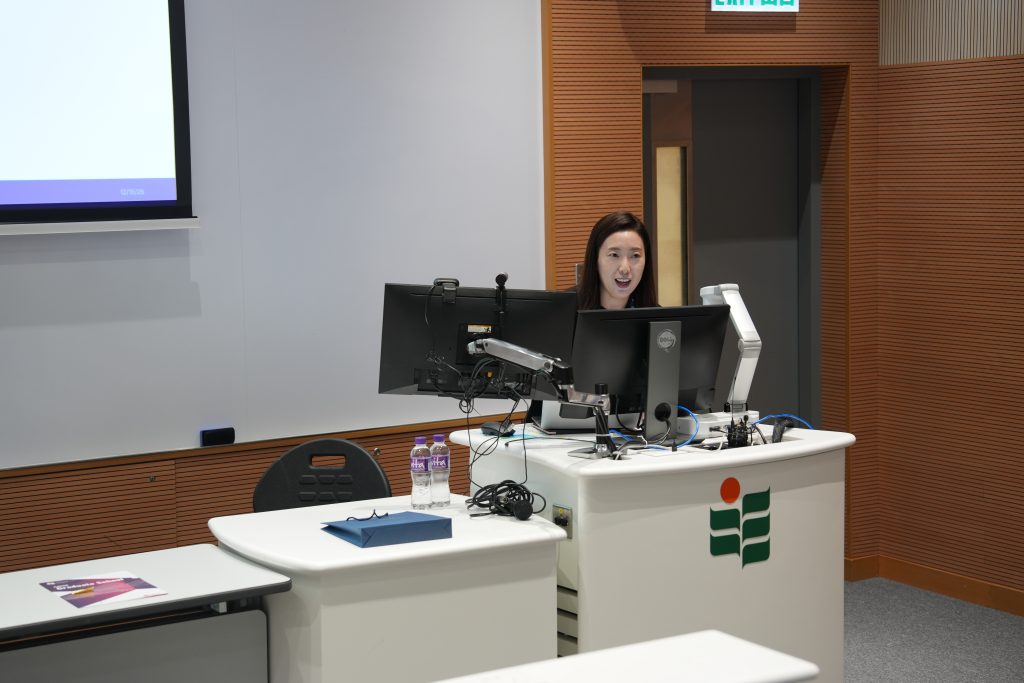
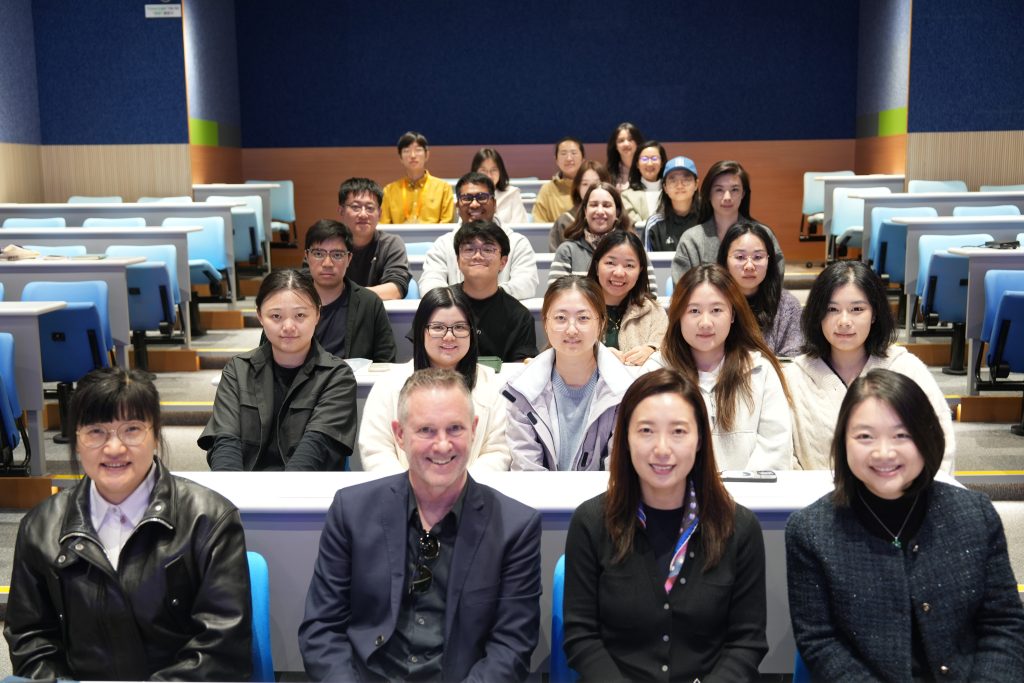
On December 15, Dr Mi Yung Park presented a seminar on multilingual learning experiences among Korean students in New Zealand. The presentation highlighted broader ideologies and sociocultural realities, such as language dominance, racial biases, and competence judgments, that limit students’ multilingual aspirations. Dr Park explained how these factors constrained student engagement and identity development, showing how motivation, ideology, and lived experience interact in English language-dominant higher education.
Dr Park stressed how positive emotions can motivate language learning, while negative emotions can hinder it, and discussed the concept of cosmopolitanism as it relates to multilingual identities. She also highlighted how learning multiple languages fostered empathy, cultural openness, and a flexible sense of identity.
Turning to the role of educators, Dr Park emphasised the importance of engaging students in practical language use within diverse communities. She suggested that educators could support the development of positive multilingual identities through real-world language interaction and meaningful feedback.
Dr Park concluded the seminar by stating that while students in New Zealand come from diverse backgrounds, their instrumental motivation for learning languages is relatively low. Noting that some students opt to study multiple languages simultaneously, she advised against this due to the challenges it presents.
Dr Mi Yung Park, Chair of Asian Studies, Associate Professor at University of Auckland, New Zealand, and Associate Editor of Journal of Multilaingual Theories and Practices.